
Table of Contents
How to Descale Washing Machine
Extend the life of your appliance and remove stubborn limescale with professional-grade techniques.
Quick Summary: The Deep Flush Protocol
- The Agent: Use 200 g of citric acid (best for 2026 models).
- The Temperature: Run an empty cycle at 90°C – 95°C.
- Frequency: Every 3 months (hard water) or 6 months (soft water).
- Key Benefit: Reduces electricity consumption by up to 30%.
1. The Silent Killer of Washing Machines
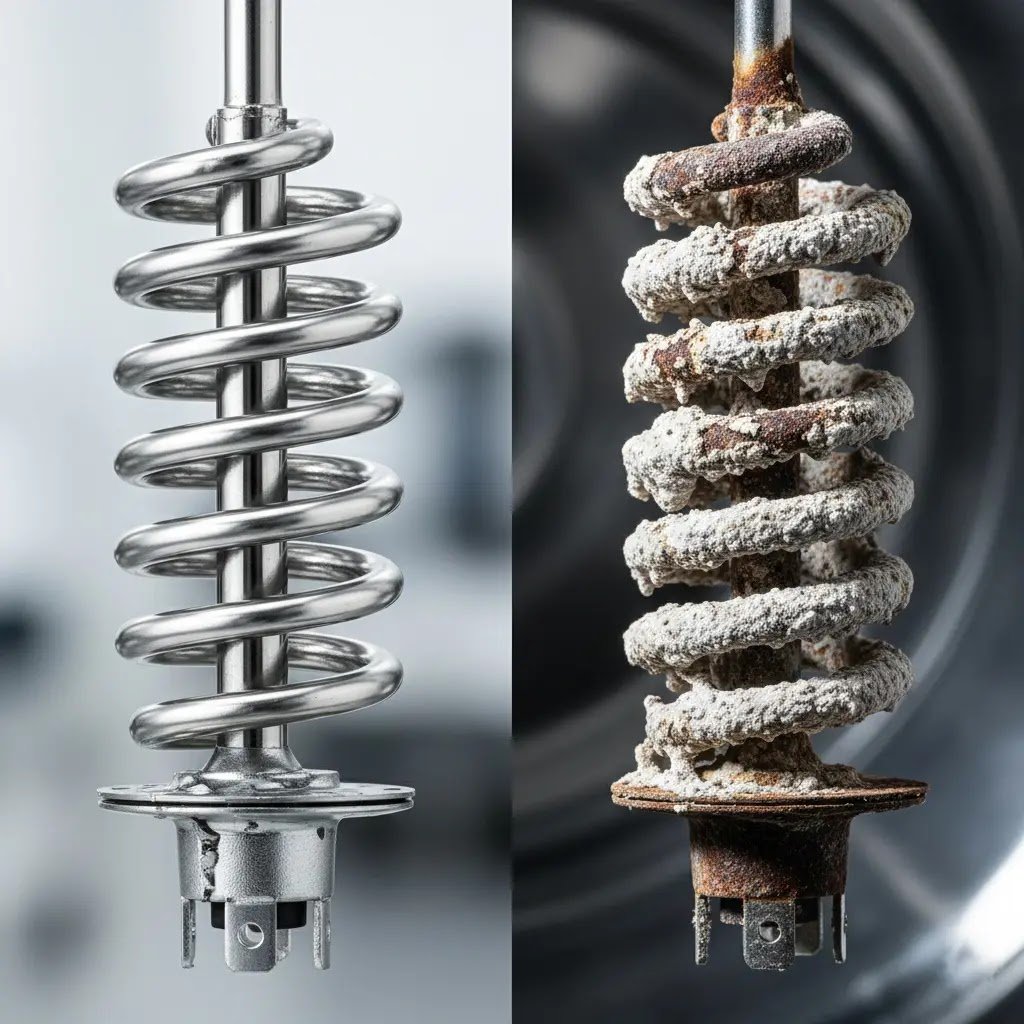
In the world of appliance maintenance, limescale is the ultimate silent killer. It is a chalky, rock-like buildup of calcium and magnesium that adheres to the heating element and the hidden back of the drum.
The Cost of Neglect: When your heating element is coated in scale, it can’t transfer heat to the water efficiently. This causes the machine to work longer, drawing 30% more electricity. Over time, the added weight and friction put a massive strain on the motor.
Technician’s Opinion: I’ve seen two-year-old high-end machines end up in the scrapyard simply because the owner didn’t spend $5 on a descaler. This guide isn’t just about cleaning; it’s about saving you hundreds in repair bills.
2. Diagnostic: 3 Signs Your Machine is Choking
Before your machine breaks down, it will give you these warning signs:
- Chalky Residue: White streaks or spots on the drum surface or on dark clothes.
- Strange Odors: A musty, damp smell that persists even after the clothes are washed. This is often bacteria trapped within the scale layers.
- Technician’s Advice: That damp smell is often a mix of limescale and biofilm (bacterial slime). If descaling doesn’t fully remove the scent, you might need the deeper sterilization steps found in my [expert maintenance tips for washing machines] guide.
- Noisy Heating: If you hear a hissing or whistling sound as the water heats up, your element is likely heavily encrusted.
3. Hard Water Checklist: Do You Need to Descale?
User ko is section se maloom hoga ke unki geography ke mutabiq unhein kab action lena chahiye.
4. Vinegar vs. Citric Acid: The 2026 Truth

For years, white vinegar (acetic acid) was the go-to recommendation. However, appliance technology has changed. Modern 2026 models use triple-lip seals and complex rubber alloys that can be sensitive to prolonged acetic acid exposure.
The Pro Choice: Citric Acid. It is odorless, highly effective at dissolving calcium at high temperatures, and significantly gentler on the rubber gaskets and internal seals than vinegar. If you must use vinegar, limit it to once a year; for regular maintenance, stick to citric acid.
⚠️ 2026 Critical Safety Protocols (Read Before Starting)
Before applying any chemical descaler to your washing machine, you must follow these technician-approved safety standards to prevent machine damage or personal injury:
1. The Toxic Gas Rule (Chemical Compatibility)
Never mix Citric Acid or Vinegar with Chlorine Bleach. Mixing an acid with bleach creates Chlorine Gas, which is toxic if inhaled. Even if you used bleach in a previous wash, run a Rinse cycle with plain water first to ensure the drum is chemically neutral.
2. Material Integrity Check
Modern washers use a combination of EPDM rubber and silicone for door gaskets. While Citric Acid is safe, never exceed a 10% concentration (approx 200g per cycle). Higher concentrations can cause leaching in rubber components, leading to premature leaks.
3. Thermal Protection
Only run the “Deep Flush” on an entirely empty drum. Descaling at 90°C with clothes inside will lead to acidic hydrolysis, which permanently weakens fabric fibers and can cause zippers to corrode or discolor.
4. Respiratory Safety
If you are sensitive to fumes, ensure the laundry room is well-ventilated during the 90°C cycle. High heat turns minerals and old detergent gunk into vapor, which can be irritating to those with asthma or allergies.
Citric acid works through a process called chelation. Research on [how citric acid dissolves calcium carbonate] shows it is highly efficient at breaking mineral bonds without corroding the stainless steel drum.
5. Step-by-Step Deep Flush Method
- The Filter Purge: Before descaling, open the drain filter at the bottom front. Clean out coins, lint, and hair. If you don’t do this, the dislodged limescale will clog this filter during the cleaning cycle.
- The Solution Load: Add 200 g of food-grade citric acid directly into the empty drum. Do not put it in the detergent drawer, as it needs to sit at the bottom where the heating element is located.
- The 90°C Cycle: Select the hottest cycle available (usually 90°C or 95°C). Ensure the Extra Rinse option is selected if available. Run the cycle completely empty.
- The Gasket Wipe: Once finished, pull back the rubber door seal. Use a microfiber cloth to wipe away any sludge or loose scale particles that the cycle flushed out.

6. Brand-Specific Descaling Modes
Modern manufacturers have built-in logic to help with this process. These cycles use higher water levels to ensure the entire drum is submerged:
Pro Tip: If your LG is flashing an error code while you try to start the Tub Clean, it might be a sensor glitch. Try my [LG washer reset control board] method first to clear the memory before running the descale cycle.
LG
Tub Clean Mode
(Hold for 3 seconds.)
Samsung
Eco Drum Clean
(Self-Cleaning Cycle)
Bosch
Drum Clean
(With auto-reminder)
7. Descaling Myths vs. Realities
| Myth | Reality |
|---|---|
| More detergent means a cleaner machine. | Excess detergent creates soap scum, which binds with scale to form a cement-like buildup. |
| Dishwasher tablets work for descaling. | They are designed for grease, not calcium. They are ineffective for heavy descaling. |
| High heat damages the machine. | Modern machines are designed for it. High heat is necessary to dissolve mineral bonds. |
8. Prevention: How to Stop Scale Early
- Detergent Dosage: Use exactly what is recommended for your water hardness. Over-sudsing is the leading cause of internal grime.
- Magnetic Descalers: You may see magnets sold to soften water on pipes. Technician’s Take: These have minimal scientific backing for heavy scale prevention. Stick to chemical descaling every few months for guaranteed results.
- Leave the Door Open: Always leave the door and detergent drawer slightly ajar after a wash to prevent moisture-loving bacteria from nesting in the scale.

9. FAQ: Critical Questions
Q: Can I descale with clothes inside?
A: Never. The acid concentration and high heat required for descaling can damage fabric fibers and cause discoloration.
Q: How often should I descale?
A: If you live in a hard water area (London, Chicago, Karachi, etc.), every 3 months. In soft water areas, every 6 months is sufficient.
Frequency depends on your geography. You can look at the [scientific breakdown of water hardness levels] to see if your city’s mineral count requires a more aggressive 3-month schedule.
10. Conclusion
Descaling is the single most important maintenance task you can perform to protect your investment. By spending 15 minutes every few months to run a Deep Flush cycle with citric acid, you ensure your washing machine remains energy-efficient, hygienic, and operational for a decade or more. Don’t wait for the hissing sound; start your maintenance schedule today!