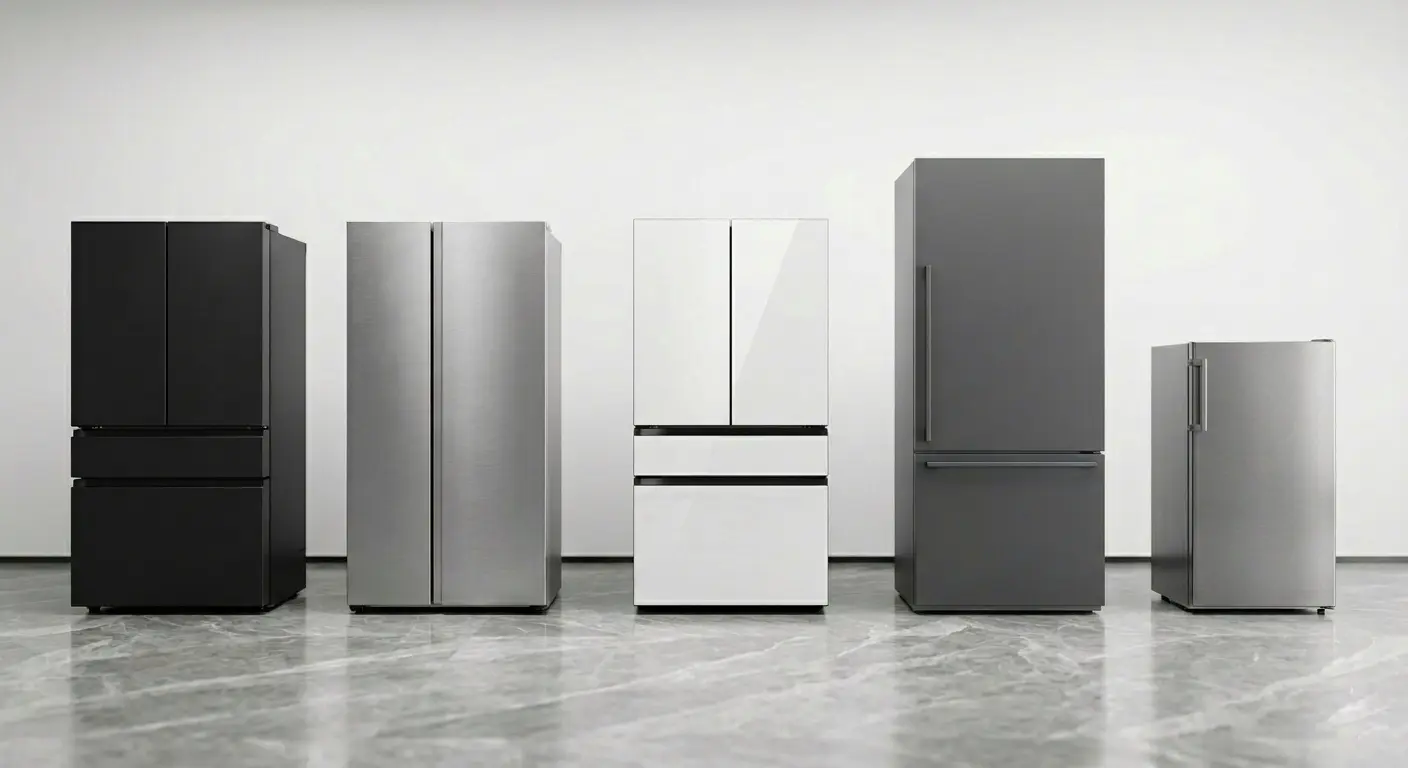
LG Fridge vs. Other Companies
Buying a refrigerator in 2026 is no longer just about picking a size and a color. With compressor technology, smart home integration, energy ratings, and repair costs all competing for your attention, it can feel overwhelming, especially when every brand claims to be the best.
So let’s cut through the noise. This guide compares LG refrigerators against Samsung, Bosch, Whirlpool, and Godrej across the factors that actually matter: cooling performance, long-term reliability, smart features, repairability, and real-world value. Whether you’re upgrading your kitchen or buying your very first smart fridge, you’ll find a clear, honest answer here.
👉 [Read More: Most Reliable Refrigerator Brand in 2026]
Table of Contents
The 2026 Durability Metric: Total Cost of Ownership
Most people focus on the sticker price. But the smarter question is, what will this fridge actually cost me over five years?
LG offers a 10-year warranty on compressor parts, which sounds impressive until you factor in labor. In 2026, a linear compressor swap can cost upward of $300 in labor alone, since the job requires a certified LG technician. Samsung and Bosch follow a similar warranty structure, but Whirlpool stands out as the only major brand where a full system repair typically stays under the $200 mark.
Bottom line: LG wins on energy savings and technology. But if your priority is keeping maintenance costs predictable over a decade, that’s worth factoring in before you buy.
LG vs. Samsung: The Smart Tech Rivalry
These two Korean giants dominate the global refrigerator market, and for good reason. Both deliver excellent performance, sleek design, and strong smart-home integration. But the differences are real, and they matter.
Cooling Technology
LG’s Inverter Linear Compressor is the headline feature. It moves in a straight line with a single friction point, which reduces energy drag by roughly 32% compared to traditional reciprocating compressors. It’s also remarkably quiet, a genuine advantage if your fridge sits near a living space or open kitchen.
Samsung uses a digital inverter compressor, which is efficient and reliable but slightly noisier in some models. Samsung has also invested heavily in Twin Cooling Plus dual-evaporator systems in its mid-to-high-range models, keeping the fridge and freezer air separate to prevent odor transfer.
One important note for 2026: if your home has unstable voltage, LG’s linear compressor is more sensitive to power fluctuations than Whirlpool’s traditional mechanical parts. A quality voltage stabilizer is a worthwhile investment if you go with LG in areas with unreliable electricity.
Smart Features
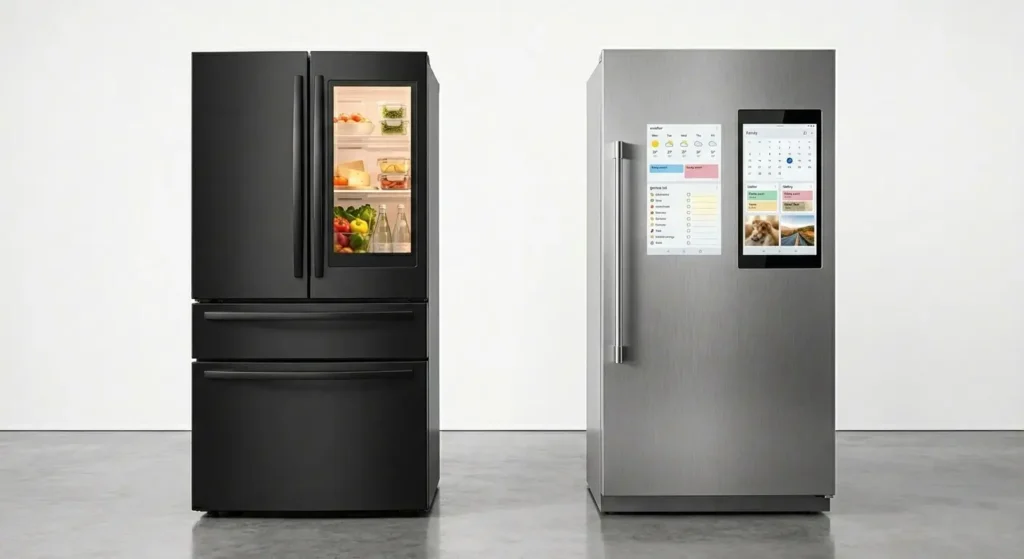
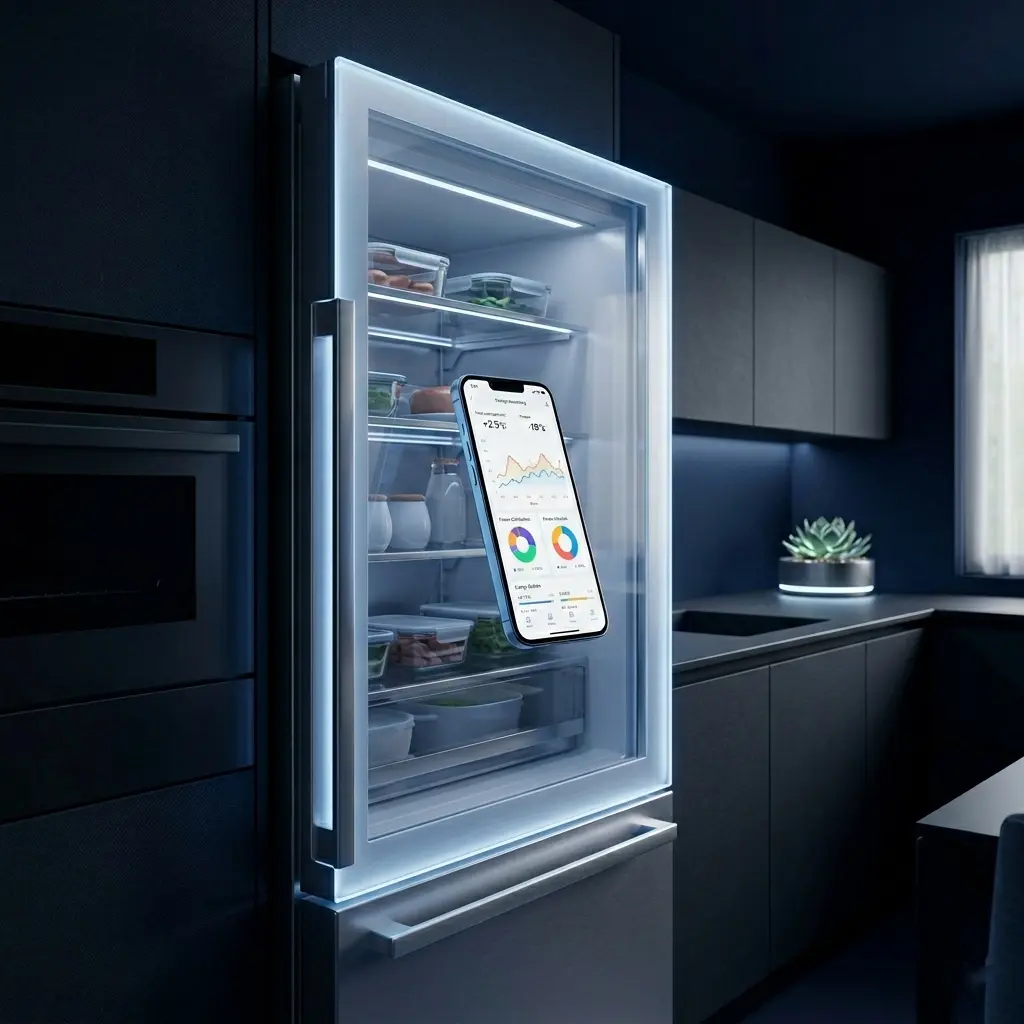
LG’s SmartThinQ app lets you monitor fridge temperature, run diagnostics, and receive alerts all from your phone. It’s clean, intuitive, and works well for most households.
Samsung’s SmartThings platform, however, goes further. If you already own Samsung appliances, a Samsung TV, or a Galaxy phone, the ecosystem integration is seamless. SmartThings can even suggest grocery restocking based on usage patterns.
Verdict: LG wins on hardware and energy efficiency. Samsung wins on software and smart home ecosystem depth.
LG vs. Whirlpool: Innovation Meets Simplicity
Whirlpool might not have the flashiest features in 2026, but it has something many buyers undervalue: simplicity that lasts.
Cooling Performance
LG’s inverter cooling is more precise, maintaining tighter temperature ranges and adjusting automatically to usage patterns. Its SmartThinQ algorithms even manage defrost cycles based on how frequently you open the door, a surprisingly effective energy-saving feature for busy households.
Whirlpool uses a more traditional cooling system that’s slightly less energy-efficient on paper but performs reliably across a wide range of climates and voltage conditions.
Refrigerant and Thermal Management
By 2026, nearly all premium brands have transitioned to R600a refrigerant. LG’s thermal management software is specifically tuned to run R600a at lower pressures, extending the life of copper tubing and reducing the risk of early gas leaks. Their Smart Diagnosis feature can even detect a slow pressure drop before your food is affected, a capability Bosch and Whirlpool currently don’t offer.
Repairability
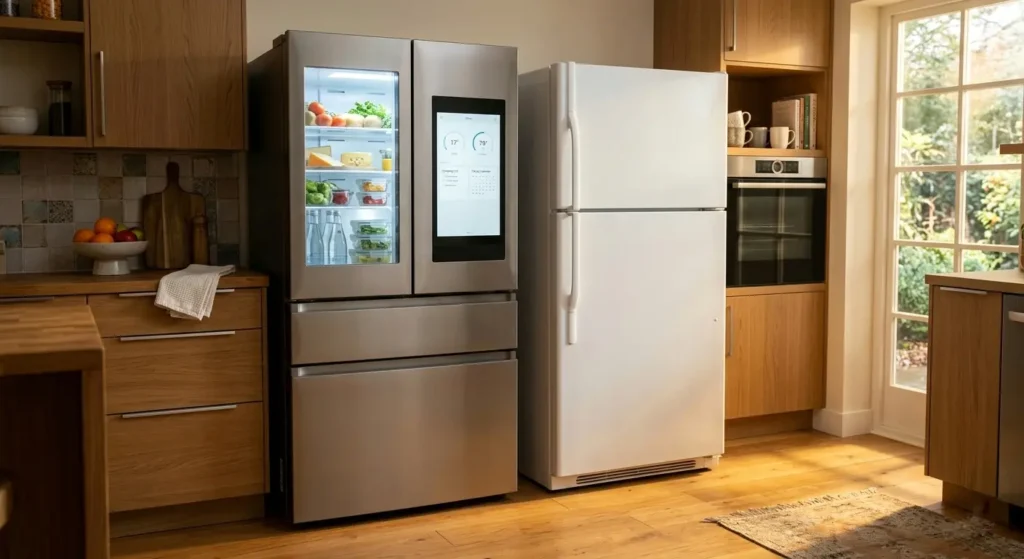
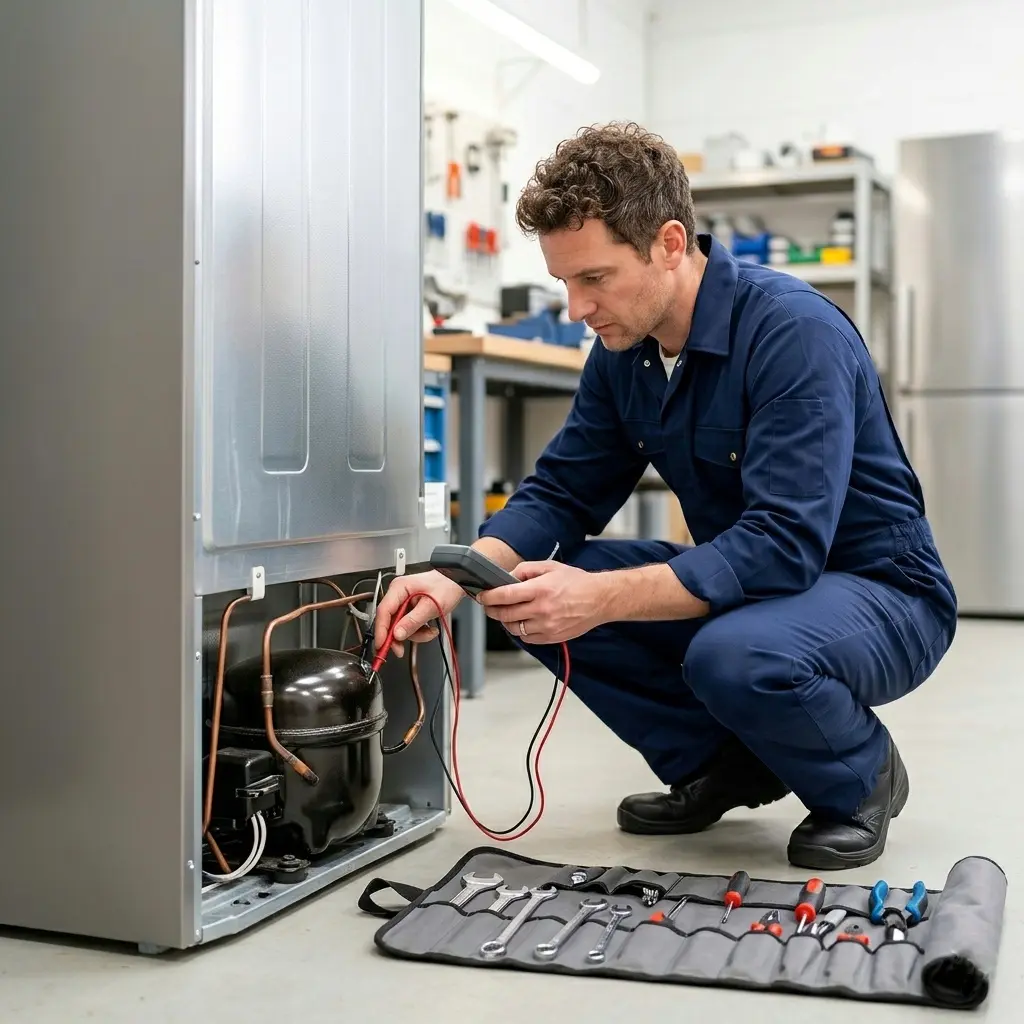
This is where Whirlpool pulls ahead. Whirlpool’s parts are largely generic and widely available, meaning any local technician can fix most issues at a reasonable cost. LG uses proprietary encrypted PCB logic boards that often require a certified technician and a genuine LG part, sometimes even a software handshake, to get the machine running again.
Verdict: LG for efficiency and smart features. Whirlpool for worry-free maintenance, especially in rural areas or markets with limited LG service centers.
👉 [Read More: Best Budget Refrigerators for Large Families]
LG vs. Bosch: Premium Performance Compared
Bosch is the European benchmark for build quality, and it earns that reputation honestly. But how does it hold up against LG’s 2026 lineup?
Build Quality and Design
Bosch refrigerators feature robust interiors, top-grade stainless steel finishes, and a quiet European aesthetic that fits seamlessly into high-end kitchens. Their modular design also makes them significantly easier and cheaper to repair than LG.
LG counters with clever functional design: InstaView panels that light up on a knock so you can see inside without opening the door, Door-in-door compartments that reduce cold air loss and a wide range of finish options for modern kitchens.
Dual-Evaporator Technology
In 2026, Bosch has invested heavily in dual-evaporator systems, meaning the fridge and freezer have completely separate cooling coils. This prevents odor crossover; no more onion smell in your ice cubes. LG’s premium models also feature dual evaporators, but their entry-level units may still use a single evaporator with a flap valve. Always confirm this detail for the specific model you’re considering.
Energy Efficiency and Price
Both brands offer highly efficient inverter-based compressors. LG models generally consume slightly less electricity over time, and they come in at a more accessible price point for comparable performance.
Verdict: Bosch for luxury build quality and modular repairability. LG for comparable performance at a better price with smarter features.
👉 [Read More: Bosch Refrigerator Ice Maker Problems and Fixes]
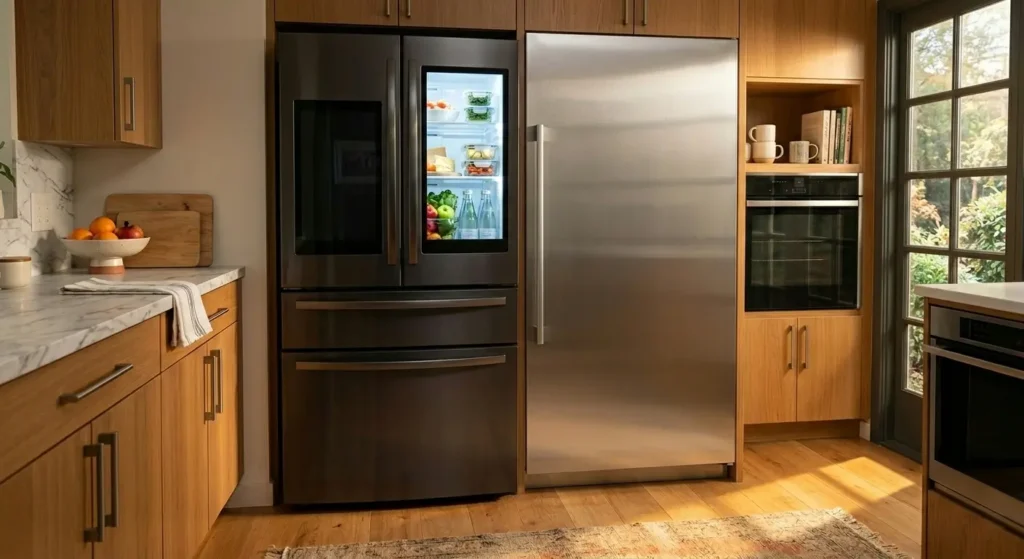
LG vs. Godrej: Budget vs Reliability
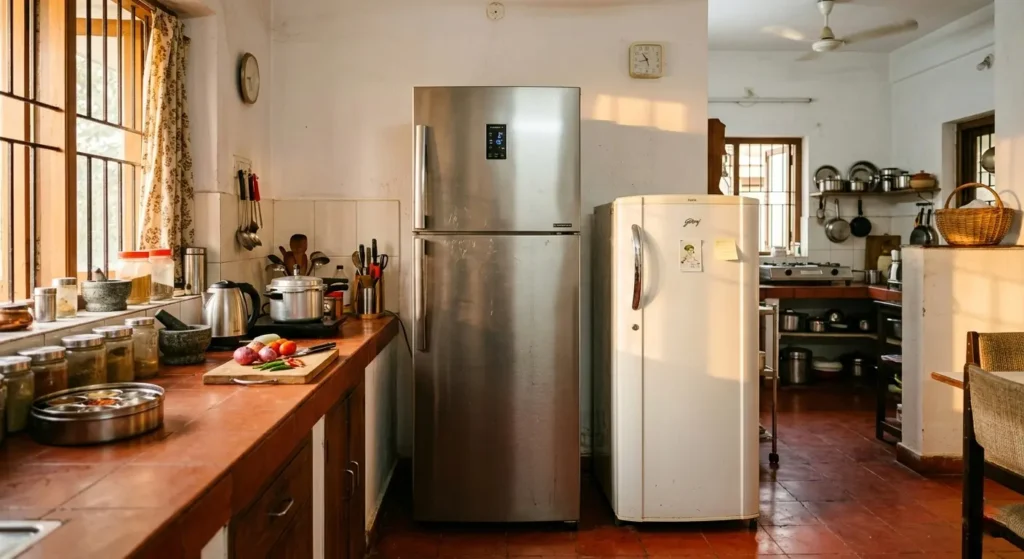
Godrej is a household name in South Asia and other emerging markets, offering affordable refrigerators that get the basics right. Here’s how the two compare when budget is a real consideration.
- Cooling Efficiency: LG’s inverter cooling is more consistent, particularly in warm climates where stable temperatures matter most. Godrej’s basic models can struggle with temperature stability during power fluctuations or heatwaves.
- Durability: LG refrigerators typically outlast Godrej units by three to five years, with fewer mechanical issues over the long term.
- Upfront Cost: Godrej is significantly cheaper to buy. However, higher energy consumption and earlier replacement costs often erode those savings within five to seven years.
- Repairability: Godrej wins here; parts are generic, cheap, and available almost everywhere. Great for areas without authorized service centers.
Verdict: Godrej for very tight budgets where upfront cost is the primary concern. LG for anyone who plans to keep their fridge for a decade or more.
Brand Comparison Table: Quick Specs at a Glance
Use this table to compare all five brands at a glance before making your decision.
| Brand | Compressor Tech | Avg. Lifespan | Repairability | Best For |
| LG | Inverter Linear | 12–15 years | Medium (Proprietary) | Energy efficiency & smart homes |
| Samsung | Digital Inverter | 10–13 years | Medium (Smart Tech) | Tech-savvy households |
| Bosch | Variable Speed VCC | 14–18 years | High (Modular) | Luxury & long-term durability |
| Whirlpool | Standard Inverter | 10–15 years | High (Easy Fix) | Budget-friendly & rural areas |
| Godrej | Basic Inverter | 8–12 years | Very High (Generic) | Tight budgets in warm climates |
Repairability and Proprietary Technology
One of the most overlooked factors in a refrigerator purchase is the right to repair. In 2026, this is more relevant than ever.
Bosch and Whirlpool rely heavily on industry-standard sensors and components. A competent technician almost anywhere in the world can diagnose and fix most issues without special tools.
cases, ALG, by contrast, uses proprietary encrypted PCB logic boards. If a sensor fails, you almost always need a genuine LG part and, in some cases, a software handshake from a certified technician to get the system running again.
The practical implication: If you live in a city with multiple LG service centers nearby, this is a manageable inconvenience. If you’re in a rural area or a market where LG’s service network is thin, the simpler hardware of a Whirlpool or Godrej is a genuinely safer long-term bet.
Pros and Cons of LG Refrigerators in 2026
Pros
- A linear inverter compressor delivers industry-leading energy efficiency and quiet operation
- SmartThinQ app provides remote monitoring, smart diagnostics, and proactive alerts
- Smart Diagnosis can detect R600a pressure drops before food spoilage occurs
- InstaView and Door-in-Door designs reduce cold air loss and energy waste
- 10-year compressor parts warranty provides long-term peace of mind
- Wide range of sizes, finishes, and styles to suit different kitchens
Cons
- Proprietary PCB boards require certified technicians and genuine parts for repairs
- A stabilizer is a stabilizer. Linear compressors are sensitive to voltage fluctuations; a stabilizer is recommended in unstable power areas
- Labor costs for complex repairs can be high, often $300 or more in 2026
- Entry-level models may lack dual-evaporator technology found in premium competitors
- Service center availability can be limited in rural or smaller markets
Is LG the Right Choice for You?
shouldn’t choose shouldn’t chooseLet’s make this simple. Here’s who should and shouldn’t choose LG.
Choose LG If You:
- Want the lowest electricity bills and the quietest operation available
- Live in a city with easy access to authorized LG service centers
- Value smart features and want remote monitoring via smartphone
- Plan to keep your refrigerator for 10 to 15 years and want strong warranty backing
- Have a modern kitchen and appreciate clean, functional design
Consider Another Brand If You
- Live in a rural area far from authorized service centers (consider Whirlpool or Godrej)
- Want ultra-premium European build quality and modular repairability (consider Bosch)
- Already have a Samsung smart home ecosystem and want seamless integration
- Need the lowest possible upfront cost (consider Whirlpool or Godrej)
- Have consistently unstable home voltage and don’t want to invest in a stabilizer
FAQ: 5 Common Questions Answered
1. Is LG more reliable than Samsung in 2026?
In terms of hardware reliability, LG’s Linear Inverter Compressor gives it an edge; fewer friction points mean less mechanical wear over time. Samsung offers comparable durability with its Digital Inverter Compressor, and its dual-evaporator technology is impressive. However, LG’s long-term track record for compressor longevity is slightly stronger, particularly in high-usage households. For software and smart home features, Samsung is arguably ahead.
2. What is the biggest disadvantage of an LG refrigerator?
labor evenThe biggest drawback is repairability. LG uses proprietary encrypted logic boards, which means repairs require certified technicians and genuine LG parts. In 2026, a linear compressor replacement can cost $300 or more in labor even if the part itself is covered under warranty. For buyers in areas with limited LG service coverage, this is a significant consideration.
3. How long do LG refrigerators typically last?
supplies. With proper maintenance, an LG refrigerator with a Linear Inverter Compressor typically lasts between 12 and 15 years. Some units have been reported to run reliably beyond 15 years in households with stable power supplies. The 10-year compressor parts warranty is a strong signal of the brand’s confidence in its core technology.
4. Is LG or Bosch better for energy efficiency?
LG generally consumes slightly less electricity in day-to-day use, particularly because of its SmartThinQ algorithms that optimize defrost cycles based on actual usage patterns. Bosch is also very energy-efficient and earns top Energy Star ratings, but LG’s software-driven management gives it a small practical edge for active households. If energy bills are your top priority, LG is the slightly better choice.
5. Which refrigerator brand is best for a hot climate?
common; in consistently hot climates, cooling stability and voltage tolerance matter most. LG performs excellently in heat due to its inverter technology and R600a thermal management, but it does require a voltage stabilizer in areas with unstable electricity. Whirlpool is a strong alternative for hot, humid climates where power fluctuations are common; its mechanical parts handle voltage variation better. Godrej is also designed with warm-weather markets in mind and is worth considering for buyers in South Asia or Africa on a tighter budget.
Conclusion: Conclusion The Right Fridge for the Right Home
In 2026, LG refrigerators remain one of the best all-around choices for families who want cutting-edge energy efficiency, smart features, and long-term reliability. The Linear Inverter Compressor is genuinely impressive technology, and the SmartThinQ ecosystem adds real convenience to daily life.
But no single brand is perfect for everyone. If repairability in a remote location is your priority, Whirlpool or Godrej makes practical sense. If you want European engineering and luxury materials, Bosch is hard to beat. And if you’re already deep in the Samsung ecosystem, their smart fridge lineup is genuinely compelling.
The best refrigerator is the one that matches your kitchen, your lifestyle, and your local service reality, not just the one with the longest feature list.
Ready to buy? Check out our curated picks below, or explore our full refrigerator buying guide to find the perfect match for your home.