
Table of Contents
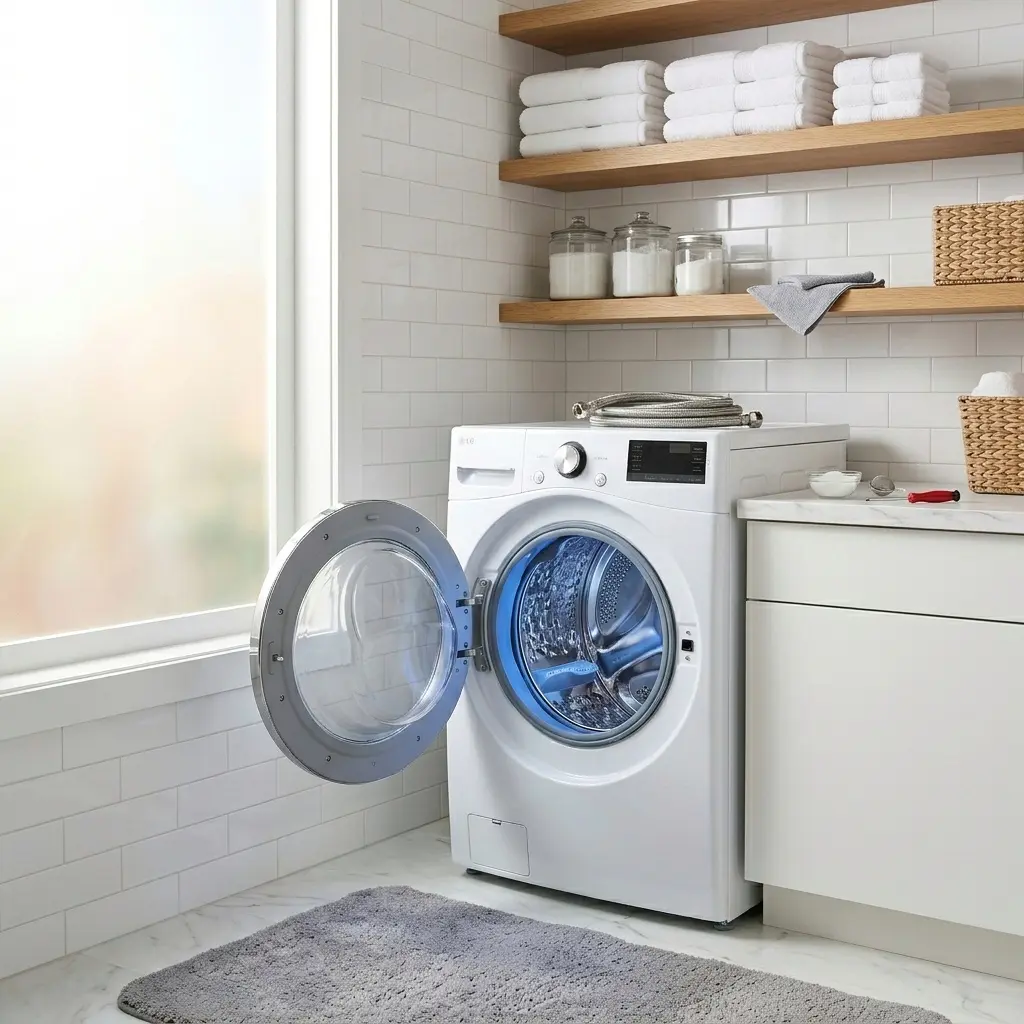
LG Washing Machine Lifespan
Most people assume a washing machine will just keep working until the day it doesn’t. And by then, a small avoidable problem has usually turned into an expensive repair and an early replacement.
Here’s the truth: an LG washing machine doesn’t just die on its own. It gets worn down gradually by small, easily preventable mistakes: an overloaded drum here, a neglected filter there. The good news is that with the right maintenance routine, an LG washer can comfortably last 12 to 15 years, well beyond what most brands promise on paper.
This guide gives you a practical, honest 15-year maintenance plan built on real-world experience. experience, not just what the manual says. Whether you own an LG TurboWash, a ThinQ AI model, and a budget top-loader, the advice here applies to all of them. Let’s get into it.
👉 [Read More: LG Washing Machine Top Load vs Front Load vs Combo: Which Is Best in 2026?]
How Long Does an LG Washing Machine Last?
With LG’s Inverter Direct Drive 2.0 technology now standard across most of their 2026 lineup, the realistic lifespan of an LG washer sits between 12 and 15 years, provided you manage what engineers call “cycle stress.”
Overloading the machine even once with a heavy, water-soaked rug can damage the internal bearings. Repeated abuse of that kind compounds quickly. To hit the 15-year mark, laundry needs room to tumble freely. If it’s packed tight, you’re shortening the machine’s life with every spin cycle.
Here’s a practical breakdown by usage pattern:
- Light use (2–3 loads per week): 13–15 years with proper maintenance
- Moderate use (1 load daily): 10–13 years
- Heavy use (multiple loads daily): 6–9 years, and maintenance becomes even more critical
Important: The 10-year motor warranty LG offers is often misread as a promise of a 10-year machine. The motor is rarely what fails first. It’s usually a clogged drain filter, a corroded spider arm, and a worn door gasket that causes the machine to break down, and none of those are covered by the motor warranty.
The 2026 Maintenance Schedule: What to Do and When
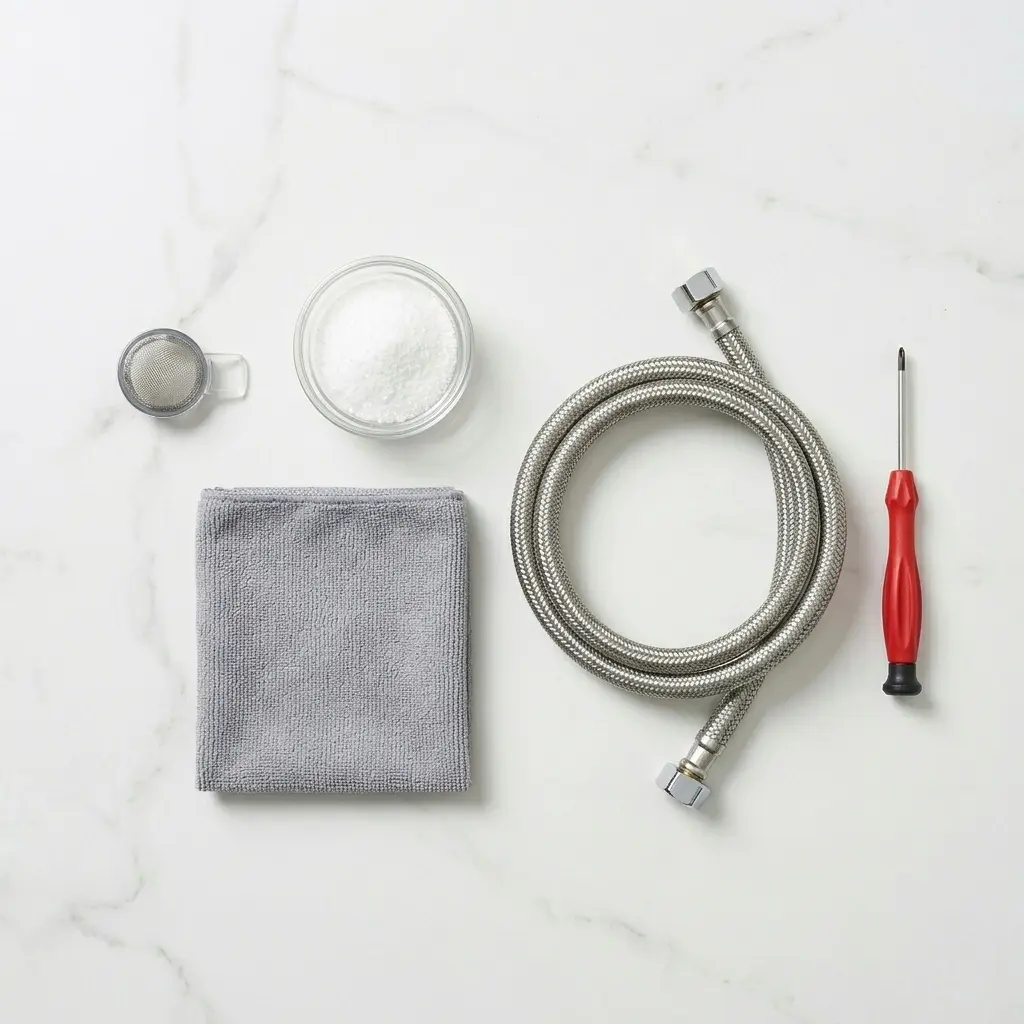
This table is your complete LG washer maintenance calendar. Follow it consistently and you’ll avoid the most common failure points.
| Maintenance Task | Frequency | Technical Benefit | Lifespan Impact |
| Clean Drain Pump Filter | Every 3 months | Prevents drain motor burnout | +2 to 3 years |
| Citric Acid Tub Clean | Monthly | Removes spider arm corrosion risk | +4 years (drum health) |
| Inlet Valve Filter Rinse | Every 6 months | Protects control board from overheating | Prevents logic failures |
| Hose Inspection (Braided) | Annually | Prevents emergency flooding | Home safety & reliability |
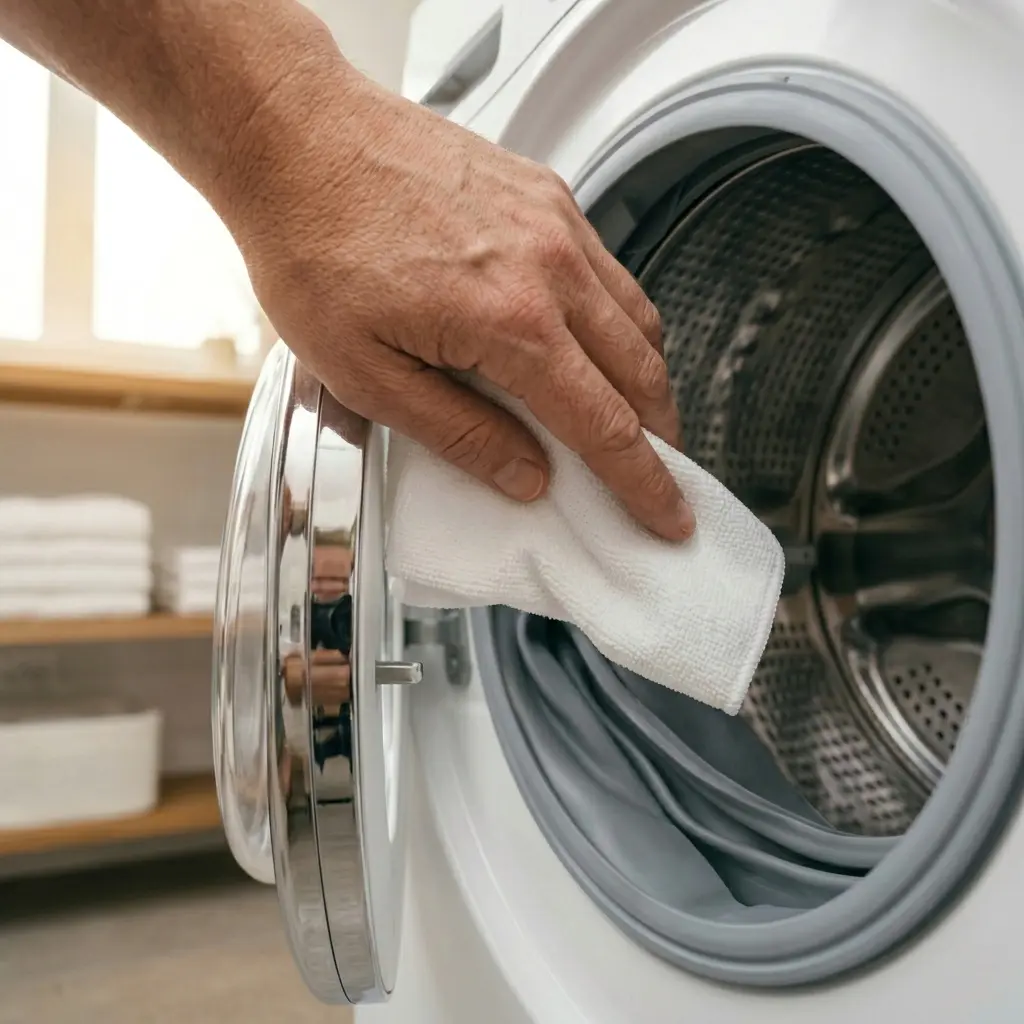
| Gasket Wipe-Down | After each wash | Prevents mold & seal degradation | Prevents costly leak repairs |
Key Factors That Affect Washer Lifespan
1. Usage Frequency and Load Size
Frequency matters, but load size matters just as much. Running three properly loaded cycles a day is far less damaging than cramming one enormous load through on a heavy-duty cycle. The drum bearings, spider arm, and suspension rods all absorb the physical stress of every spin. Treat them with respect.
2. Water Quality
Hard water is a silent killer for washing machines. It leaves limescale deposits on the heating element, inside the drum, and critically inside the tiny mesh filters at the water inlet valve. If your machine is taking longer than usual to fill, don’t assume the pump is at fault. Unscrew the water inlet hoses and check those mesh filters first. Keeping them clear ensures cycles complete within their programmed time, which prevents the control board from overheating due to extended run times.
carefully; moreIf you live in a hard-water area, either install a water softener and use a dedicated descaling cleaner monthly. Vinegar-based cleaning is commonly recommended, but use it carefully more on that below.
👉 [Read more: 2026 Citric Acid Descaling Guide for Washing Machines]
3. Installation and Load Balancing
rods, acceleratingA washing machine that isn’t perfectly level will vibrate excessively during spin cycles. That vibration travels through the drum, the motor mounts, and the suspension rods accelerating wear on every moving part. Check the leveling feet when you first install the machine, and recheck every year.
Always distribute clothes evenly inside the drum before starting a cycle. For bulky items like comforters and rugs, use the dedicated bulky-item cycle and avoid pairing them with smaller garments that bunch up on one side.
4. Detergent Type and Amount
one is Using the wrong detergent and too much of the right one is one of the most common causes of premature drum and gasket deterioration. LG’s high-efficiency (HE) machines require HE detergent. Standard detergents produce excessive suds that the machine can’t drain properly, leaving residue that feeds mold and corrodes internal components over time.
Less is more. If you’re tempted to add an extra scoop, don’t. A small amount of the right detergent cleans just as effectively without the long-term damage.
How to Make Your LG Washing Machine Last Longer
The Drain Pump Filter: The Most Neglected Part
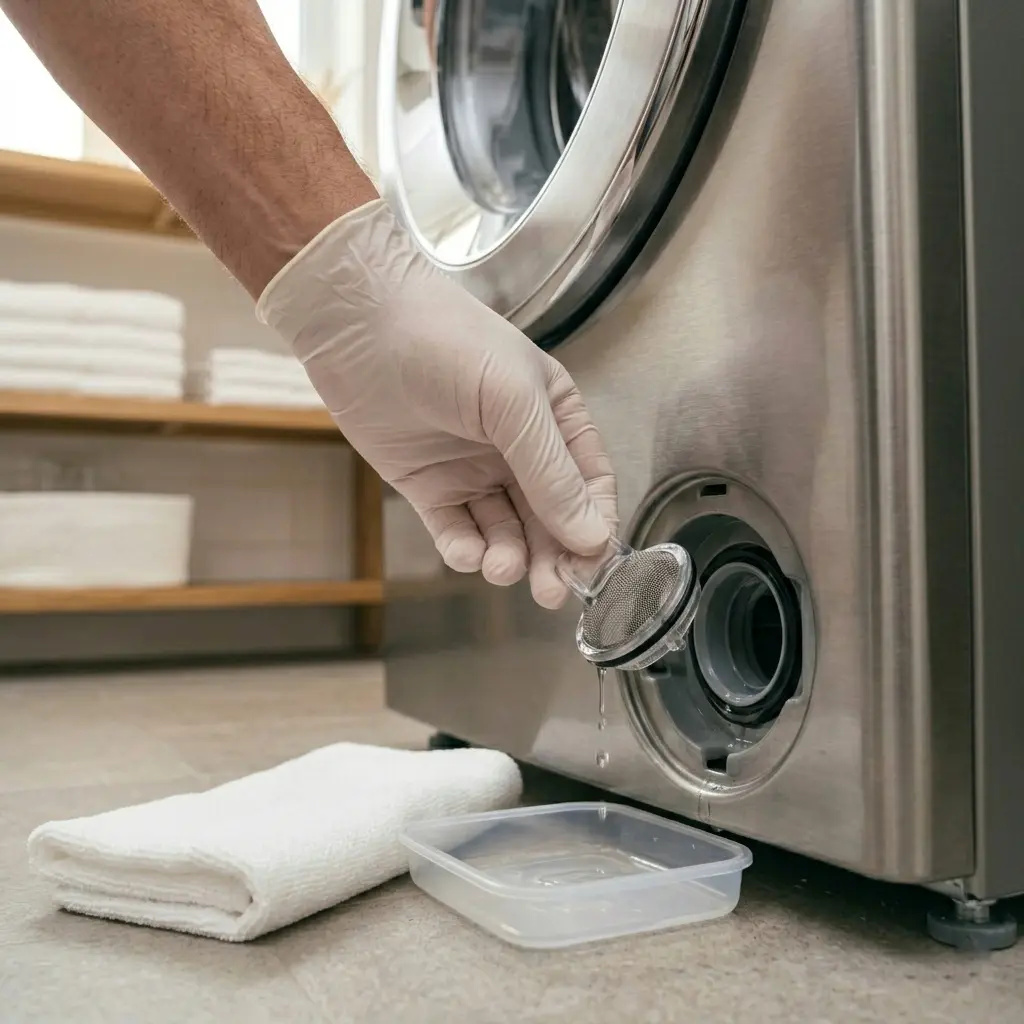
Located behind a small access panel at the bottom front of your machine, the drain pump filter catches coins, lint, hair clips, and anything else that escapes pockets. Most owners never clean it.
When this filter clogs, the pump has to work harder to force water through it. Over time, that strain burns out the drain motor, one of the more expensive repairs on an LG washer. Cleaning this filter every three months takes about five minutes and can add two to three years to your machine’s life.
💡 Quick Tip: Put a shallow tray and an old towel under the filter panel before opening it. A small amount of water always drains out.
👉 [Read More: How to Fix LG Washing Machine OE Error Code]
The Vinegar Warning: Protect Your Gaskets
Using white vinegar as a regular cleaning agent is one of the most widely repeated pieces of bad advice for washing machines. While vinegar does cut through some residue, the acetic acid gradually degrades the rubber door gasket and internal hoses. Once the gasket starts to crack and peel, you’re looking at leaks and mold, and a replacement gasket on an LG front loader can be a costly fix.
Switch to citric acid instead. It’s equally effective against limescale and odors, but it’s chemically neutral toward rubber components. Use one tablespoon dissolved in two liters of warm water, poured directly into the drum on a hot empty cycle, once a month.
Spider Arm Corrosion The Silent Long-Term Killer
The spider arm is the three-pronged bracket that connects the drum to the rear bearing. It’s made of aluminum alloy, which reacts with alkaline detergent residue over time. The result is gradual corrosion that weakens the bracket until typically around the 5 to 7-year mark in poorly maintained machines; it snaps.
When a spider arm breaks, the drum drops, and the repair bill is substantial. Prevention is simple: don’t use excessive detergent, run an extra rinse cycle for heavy loads, and do a monthly citric acid clean to flush alkaline buildup from behind the drum.
Upgrade Your Hoses
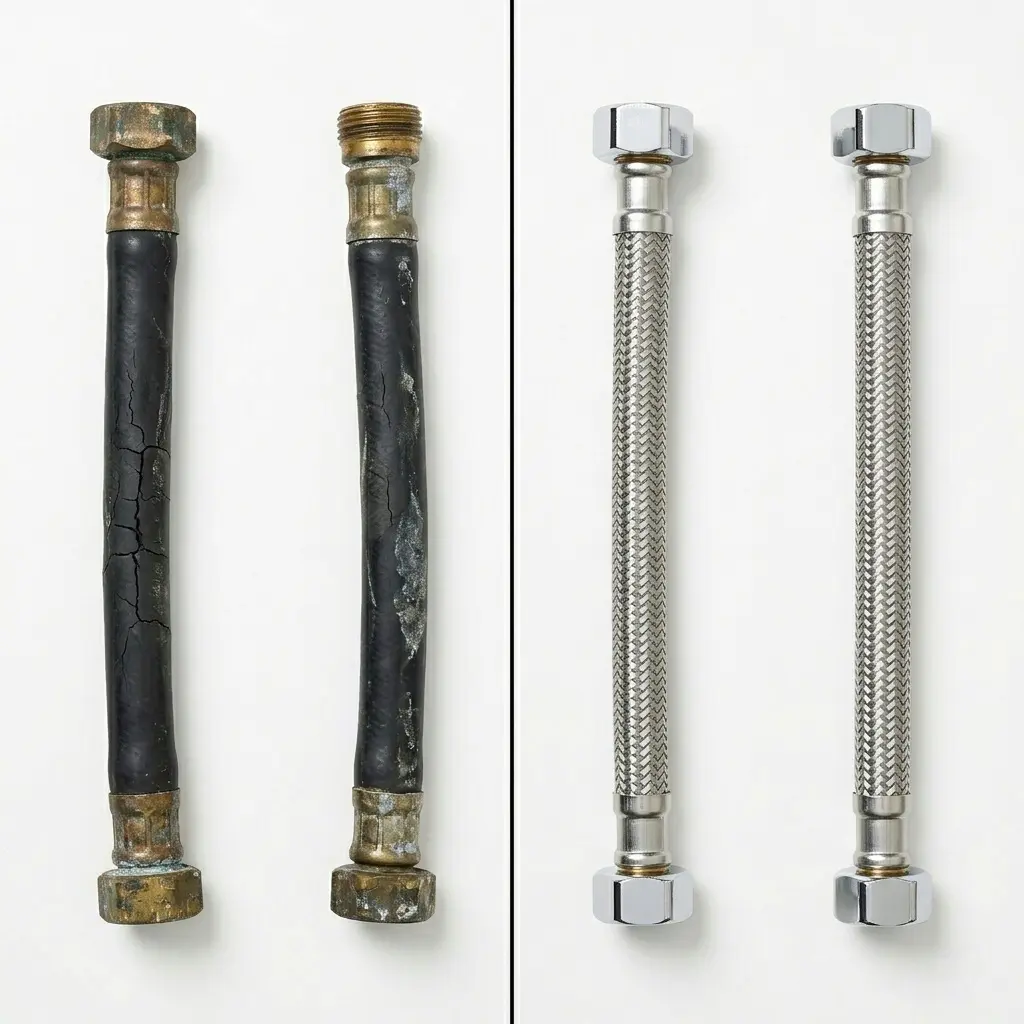
The rubber inlet hoses that come standard with most washing machines should be replaced every five years. But a smarter move in 2026 is to upgrade immediately to stainless steel braided hoses. They’re burst-proof, last up to ten years, and cost very little compared to the water damage a burst rubber hose causes.
The Hand-Spin Bearing Test
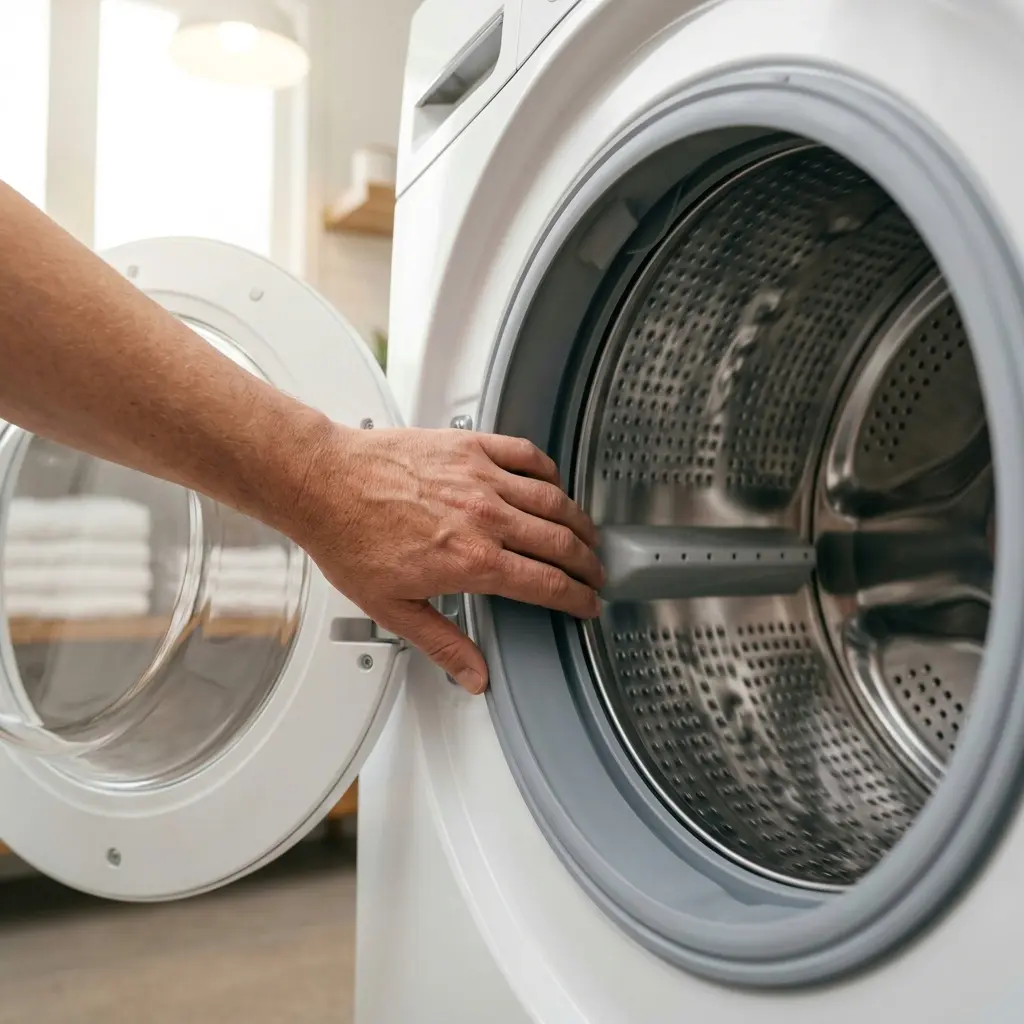
Every six months, empty the drum completely and spin it as fast as you can with your hand. A healthy drum should rotate almost silently with a smooth, gliding feel. If you hear a faint grinding, grating, and clicking sound, the bearings are beginning to wear.
Catching this early is critical. Once bearings start to fail, friction builds up and begins to overheat the inverter direct drive motor. Replacing bearings is manageable if caught early; replacing a motor is not. If you’ve been hearing a loud rumbling and roaring noise during spin cycles for several months, the damage has likely already spread, and at that point, a full repair versus replacement calculation is worth doing.
🔍 Expert Note: Don’t rely solely on the LG ThinQ Smart Diagnosis app for this. It detects electronic faults well, but it cannot sense a physically deteriorating bearing and a thinning drive component. Manual inspection every six months is irreplaceable.
The Hidden Dangers Most Owners Miss
Leaving the Door Closed Between Cycles
A closed front-loader door traps residual moisture inside the drum, creating a warm, dark, humid environment that mold absolutely loves. After every single cycle, even a quick 30-minute one, leave the door slightly open for at least two hours. This simple habit dramatically slows gasket mold growth and keeps the drum smelling fresh.
Ignoring Vibration Changes
If your machine suddenly starts vibrating more than it used to during spin cycles, don’t ignore it. Check the leveling feet first; one may have shifted. If the machine is still level and the vibration persists, it’s a sign that the suspension rods and shock absorbers are wearing out. These are inexpensive parts and straightforward to replace if caught before they cause secondary damage to the drum and motor.
Running Hot Cycles Too Frequently
High-temperature cycles are useful for sanitizing, but running them daily accelerates wear on the rubber gasket, internal hoses, and heating element. Reserve 60°C and higher cycles for genuinely soiled loads and use 30–40°C for everyday laundry. Your energy bill will thank you too.
LG Warranty and Repair Considerations in 2026
LG’s standard warranty on most washing machines covers parts and labor for one year. Select models, primarily those with the Inverter Direct Drive motor, carry a 10-year warranty on the motor itself.
However, that motor warranty has conditions. It typically covers the motor unit only, not the labor to replace it, and it requires that the machine be serviced exclusively by LG-certified technicians. Using an unauthorized repair service can void the motor warranty entirely.
- Always register your machine on LG’s website within 30 days of purchase to activate full warranty coverage
- Keep all purchase receipts and service records LG requires these for warranty claims
- For machines older than 5 years, get a repair quote before authorizing any work; if the repair exceeds 40–50% of the cost of a new equivalent model, replacement is usually the smarter financial decision
👉 [INTERNAL LINK: LG Washing Machine Common Repairs, Costs, and When to Fix vs Replace]
Pros and Cons of LG Washing Machines for Long-Term Reliability
Pros
- Inverter Direct Drive motor eliminates the belt: fewer moving parts, less wear, quieter operation
- 10-year motor warranty on eligible models is one of the strongest in the industry
- ThinQ Smart Diagnosis detects electronic faults before they become expensive failures
- TurboWash technology reduces cycle times, which lowers cumulative stress on mechanical components
- A wide range of drum sizes and cycle options reduces the need for overloading
- Energy Star-certified models consume less electricity and water, reducing long-term running costs
Cons
- Proprietary parts mean repairs require genuine LG components; third-party alternatives are limited
- Front-load models require consistent gasket maintenance and mold becomes a serious recurring problem
- Spider arm corrosion in front-loaders is a real long-term risk if cleaning routines are not followed
- Service center availability varies significantly by region; rural buyers should check local LG coverage before purchasing
- Smart features like ThinQ connectivity require a stable Wi-Fi connection and periodic app updates to function correctly
Signs It’s Time to Replace Your LG Washing Machine
Even the best-maintained machine has a natural end of life. Here’s how to know when you’ve reached it:
- Loud grinding and rumbling during spin cycles that persists after checking leveling and load balance
- Persistent water leaks from the door seal, hoses, and drum area that recur after repair
- Clothes consistently coming out dirty, soapy, and smelling despite proper detergent use
- Repair costs that exceed 40–50% of the price of a comparable new machine
- Error codes that reappear repeatedly after technician servicing, especially E6, LE, and UE codes
- Deep, stubborn mold in the gasket and drum that doesn’t clear after multiple professional-grade cleaning cycles
💰 Financial Rule of Thumb: If your machine is over 8 years old and a single repair costs more than $250, run the numbers on a new energy-efficient model. The electricity savings alone on a new A+++ rated LG can offset the price difference within 3 to 4 years.
FAQ: 5 Common Questions Answered
1. How long does an LG washing machine last on average?
With standard home use and basic maintenance, most LG washing machines last between 10 and 13 years. With disciplined habits, front-load maintenance, monthly drum cleans, regular filter checks, and proper loading habits, front-load models with the Inverter Direct Drive motor can comfortably reach 15 years. Heavy daily use without maintenance significantly shortens that to 6 to 8 years.
2. Do LG front-load washers last longer than top-load models?
Generally, yes. LG’s front-load washers use a belt-free inverter direct drive system with fewer mechanical failure points, and they tend to be built to a higher specification. That said, front-loaders require more consistent maintenance, particularly gasket care, than top-loaders. A neglected front-loader can fail earlier than a well-maintained top-loader. The machine that lasts longest is the one that gets looked after.
3. How often should I clean my LG washing machine?
At a minimum: wipe the door gasket dry after every single cycle, clean the drain pump filter every three months, run a tub-clean cycle with citric acid once a month, and inspect the inlet valve mesh filters every six months. For households in hard-water areas and those doing daily laundry, increase the frequency of descaling to every three weeks.
4. Is the LG ThinQ Smart Diagnosis worth using for maintenance?
Yes, but only as a complement to physical inspection, not a replacement for it. ThinQ Smart Diagnosis is excellent at catching electronic and software faults early, and it can save you an unnecessary service call by pinpointing the exact error code and likely cause. However, it cannot detect mechanical wear such as deteriorating bearings, a weakening spider arm, and early gasket cracking. Manual checks every six months remain essential regardless of how smart your machine is.
5. What is the best cleaner to use for an LG washing machine in 2026?
Citric acid is the best all-round choice for monthly maintenance. It’s highly effective against limescale and odor-causing bacteria, and unlike white vinegar, it doesn’t degrade rubber gaskets and internal hoses over time. For a deeper quarterly clean, purpose-made washing machine cleaner tablets such as Affresh work well and are LG-approved. Avoid bleach-based cleaners for regular use; they can accelerate rubber deterioration with repeated application.
👉 [Read more: Best Washing Machine Cleaners in 2026 Tested and Ranked]
Quick Longevity Checklist: Print and Keep
- ✅ Run a monthly citric acid tub-clean cycle
- ✅ Use HE detergent for all HE machines, never standard detergent
- ✅ Clean the drain pump filter every 3 months
- ✅ Check and clean inlet valve mesh filters every 6 months
- ✅ Inspect hoses annually; upgrade to stainless steel braided hoses if not already done
- ✅ Wipe the door gasket dry after every single cycle
- ✅ Leave the door slightly open between cycles for ventilation
- ✅ Avoid overloading; leave room for laundry to tumble freely
- ✅ Do the hand-spin bearing test every 6 months
- ✅ Level the machine annually; check all four feet
Conclusion
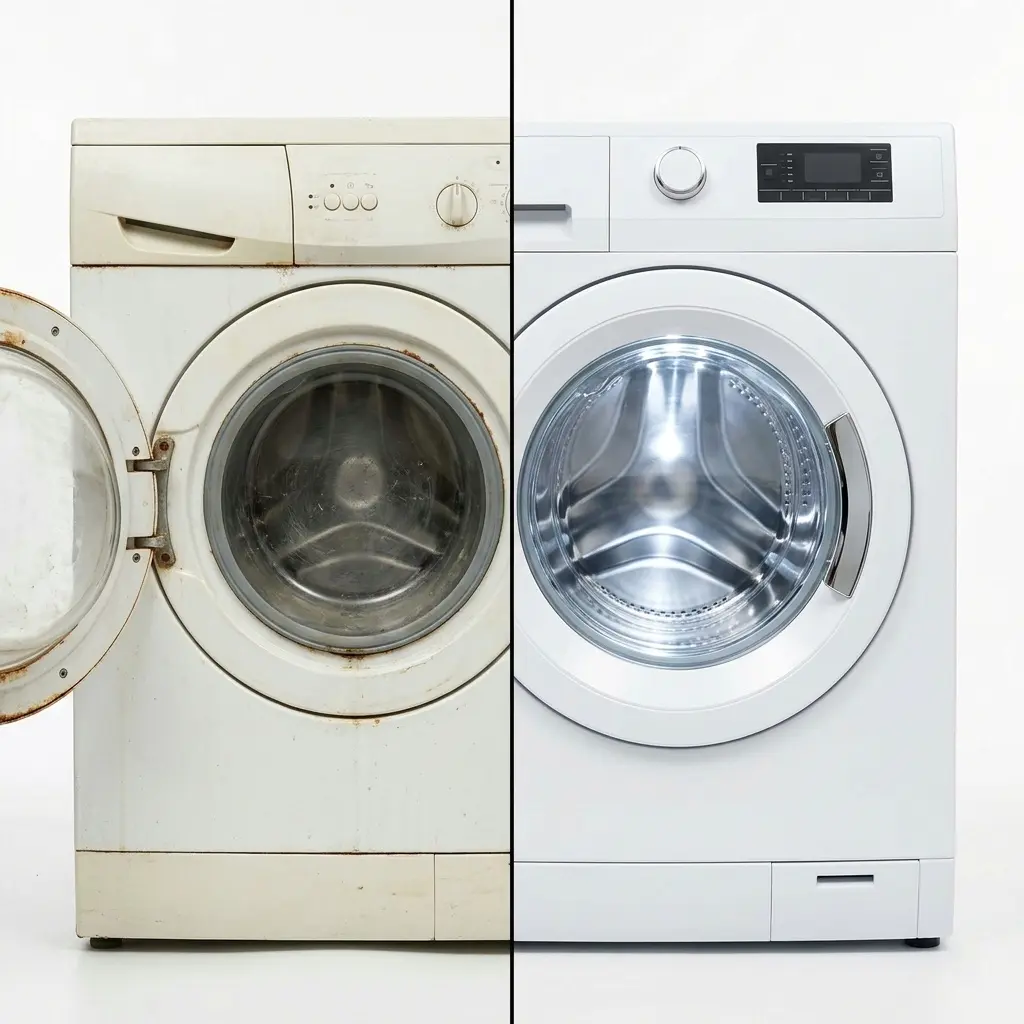
An LG washing machine is one of the most reliable appliances you can buy in 2026, but only if you treat it like the precision machine it is. The 15-year mark is achievable. It just requires a consistent routine, the right cleaning products, and the willingness to catch small problems before they become big ones.
The drain filter, the door gasket, the inlet valve filters, the hoses, and the bearings, those five components are where almost every LG washer failure begins. Stay on top of them, and the motor, which is built to last, will take care of itself.